Quick navigation
- Stories
- Events
-
Magazine
- History
- Person
- My experience
- Inspiration
- Controversies & Ethics
- Cultural perspectives
- Legal & Business
- Behind the scenes
-
Guide
- Travel Guide
- Questions & Answers
- Shop
- Forums
- Forums
-
Blogs
- All Blogs
- Create Blog
- Users
- Login


- December 18, 2025 at 5:48 PM
-
46.0K
Authorial signature and intent
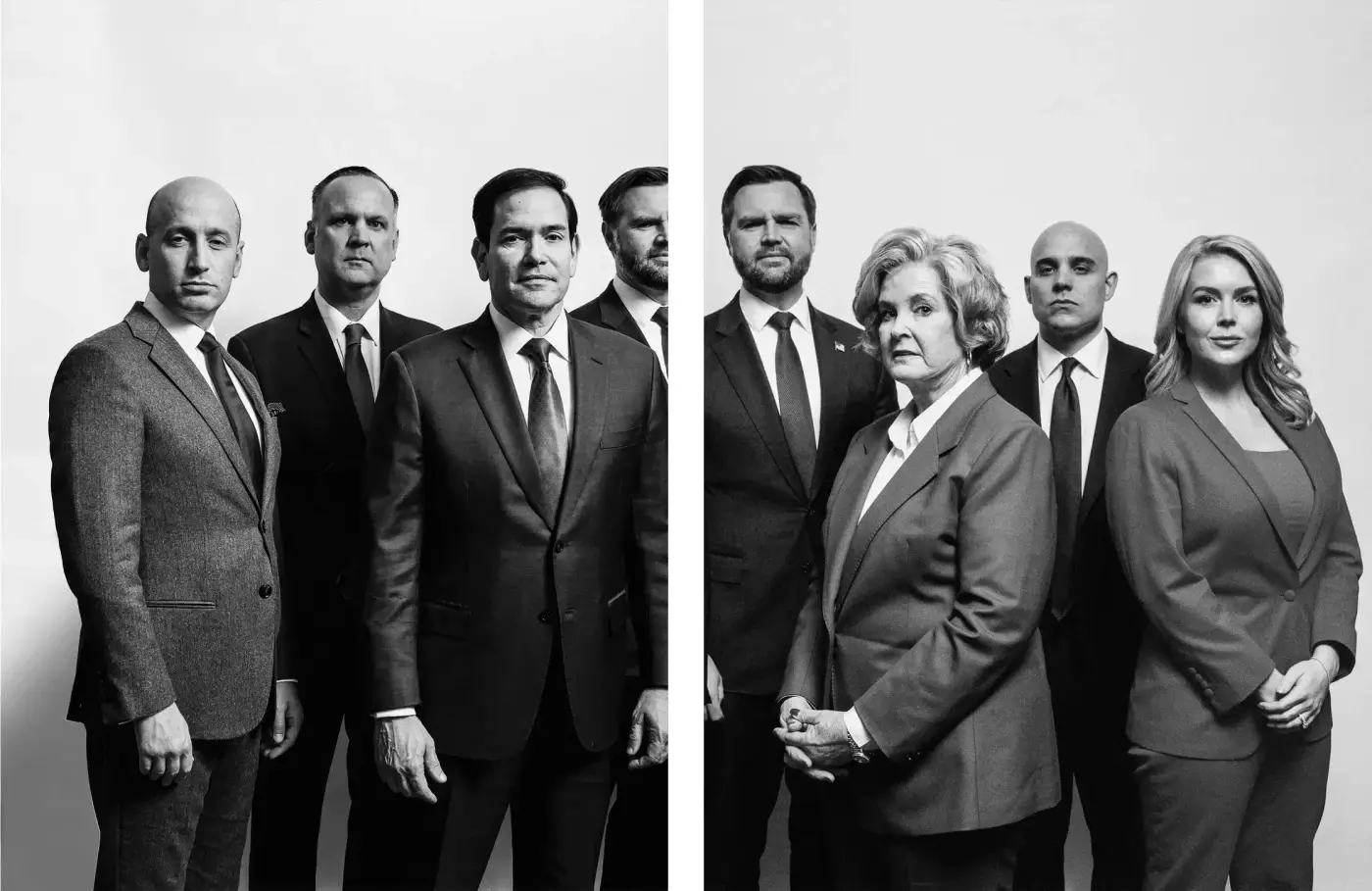
Anderson’s visual strategy
Anderson has long developed his own visual system: extreme zoom, rejection of retouching, treating the face as a separate topography. Pores, folds, hair, traces of makeup — everything becomes a document.
I don’t believe in facts, but I am obsessed with truth. But it is only my truth and my experience
This method appeared long before the current debate. In his 2003 book Stump, Anderson was already exploring how politics turns into performance, and how the face becomes a surface reflecting power. He emphasizes that the goal is to capture not the façade, but a living person.
When he is criticized for bias, he responds bluntly: he shoots everyone this way — without distinctions of party or sympathy. His honesty is subjective but consistent: he does not promise objectivity, he offers his own gaze and refuses beautification.
Karoline Leavitt and the limits of the close-up
The portrait that triggered the biggest debate was Karoline Leavitt’s.
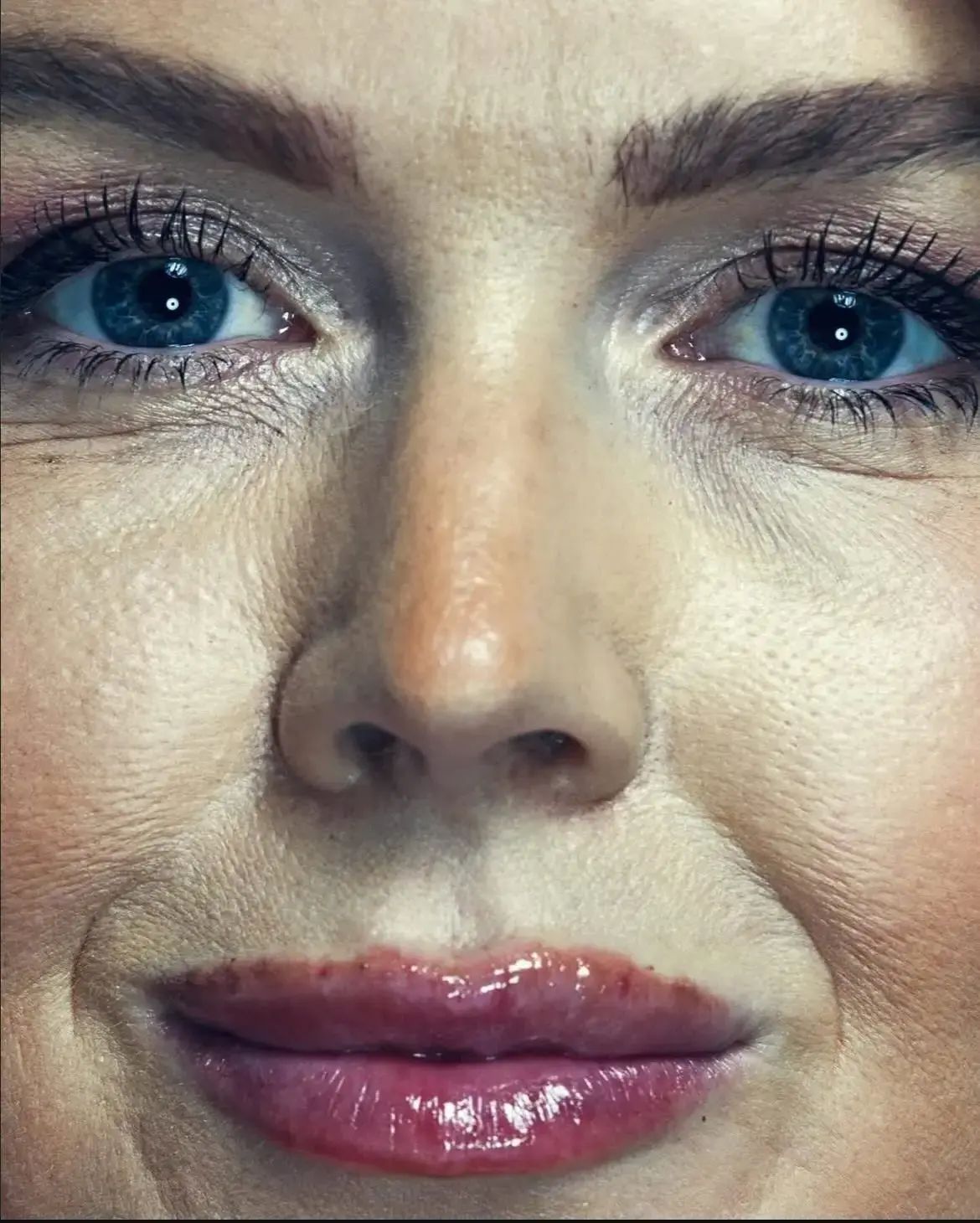
The image published on December 16 immediately pushed the audience toward doubtful visual interpretations — viewers began to discuss possible injections and age-related effects. Anderson admitted that in her case he decided “to get even closer” than usual, and this tactic turned an official portrait into something approaching medical optics.
The refusal to retouch turned the photograph into a document of texture. Viewers saw imperfect skin tone, makeup settling into creases, traces of cosmetics. And although Leavitt is 28, comments actively insisted that because of the angle she looked much older.
This effect was tied to the idea of a “Mar-a-Lago Face” — a stylistic aesthetic that critics explain as an attempt to match Trump’s visual ethos: cosmetic interventions, multilayer makeup, a demonstrative “career of appearance.” The extreme close-up makes this system visible — and frightening.
Political reaction
A White House representative described Vanity Fair’s work as “sabotage” intended to embarrass the administration’s staff. In Leavitt’s defense came phrases about “a wonderful person” and “extraordinary work.” At the same time, Trump himself has repeatedly commented on the press secretary’s appearance, stressing “the rapid-fire movement of her lips” — which only strengthened the perception of the portrait as politicized.
As for the Vanity Fair article, Michael, I'll take your question directly. This is unfortunately another example of disingenuous reporting um where you have a reporter who took the chief of staff's words wildly out of context, did not include the context those conversations were had within. Uh and then further, I think the most egregious part of this article was the bias of omission that was clearly present.And we see a lot of this when dealing with the media every day. You will leave out important context, leave out comments and facts. You know, many people in this building spoke with that reporter and those comments um were never included in the story, probably because it didn't push this false narrative of chaos and confusion that the reporter was clearly trying to push
Comic space around the subject
Anderson deliberately rejects the illusion of objective standards. In his conception, photography is an artistic reaction to a meeting, not a report. He stresses that the camera does not capture the politician — it captures the moment of collision with him. His response to Stephen Miller, who appealed to “the power to be kind,” was telling: power has many tools — and the image is one of them.
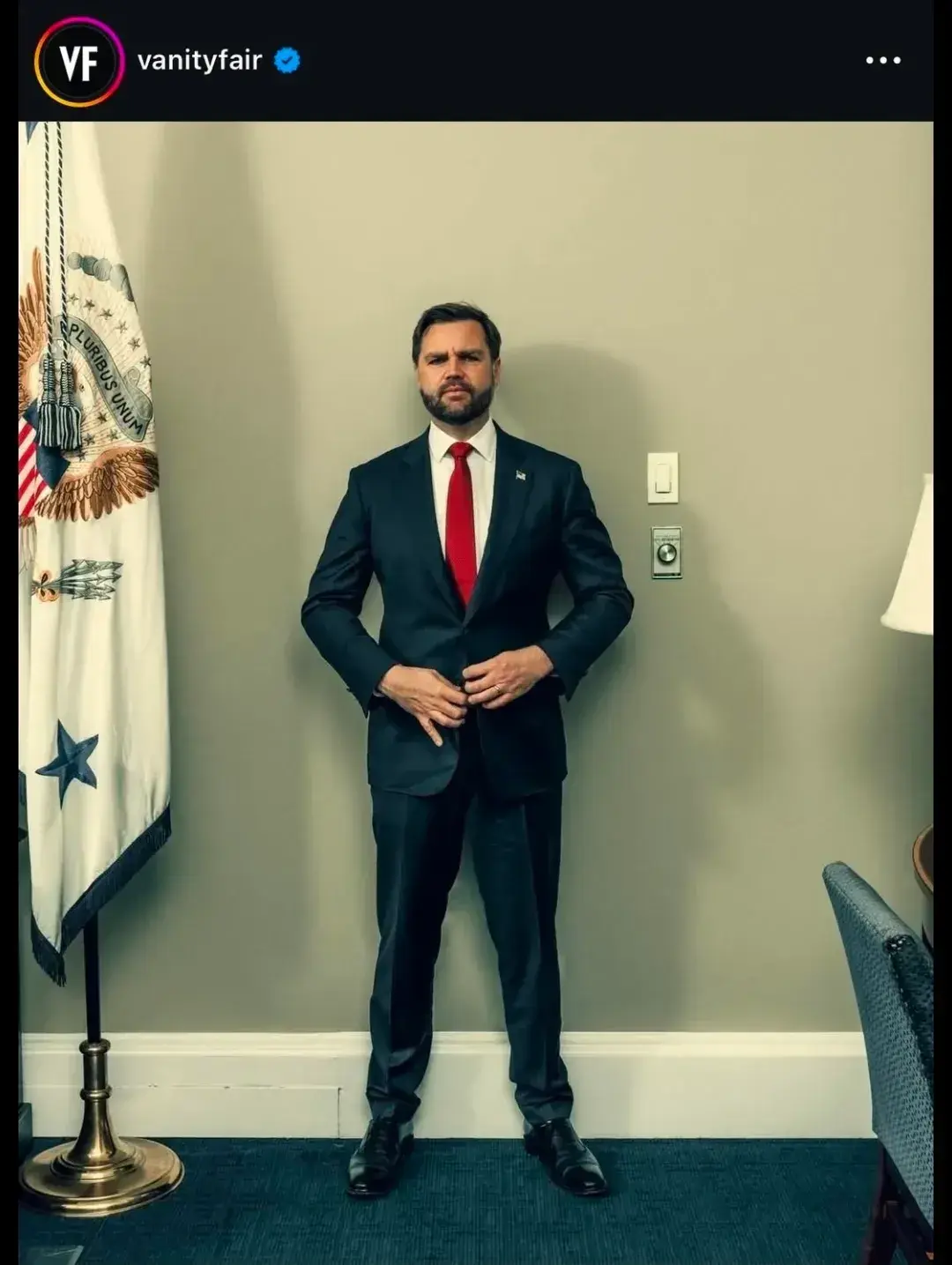
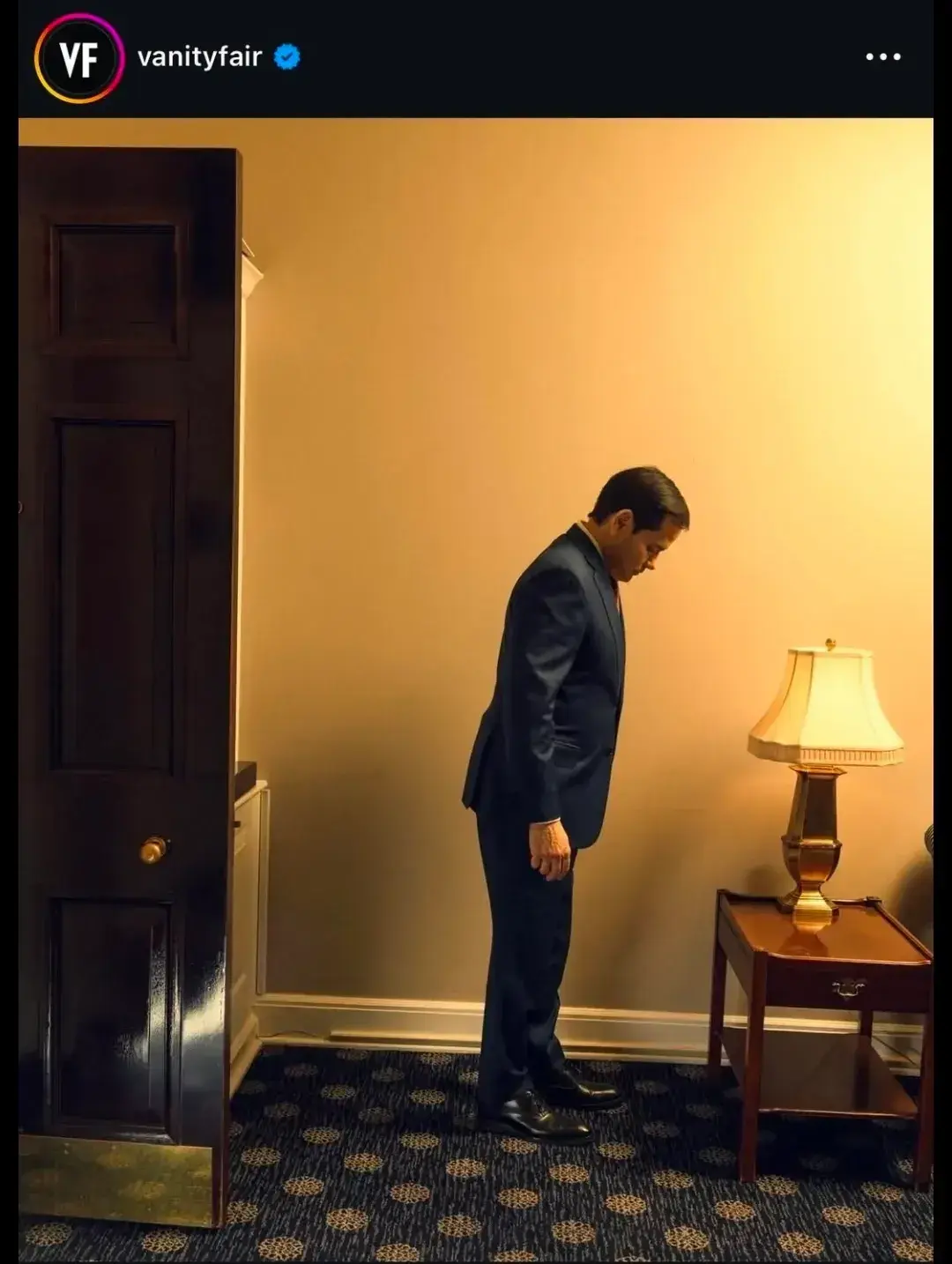
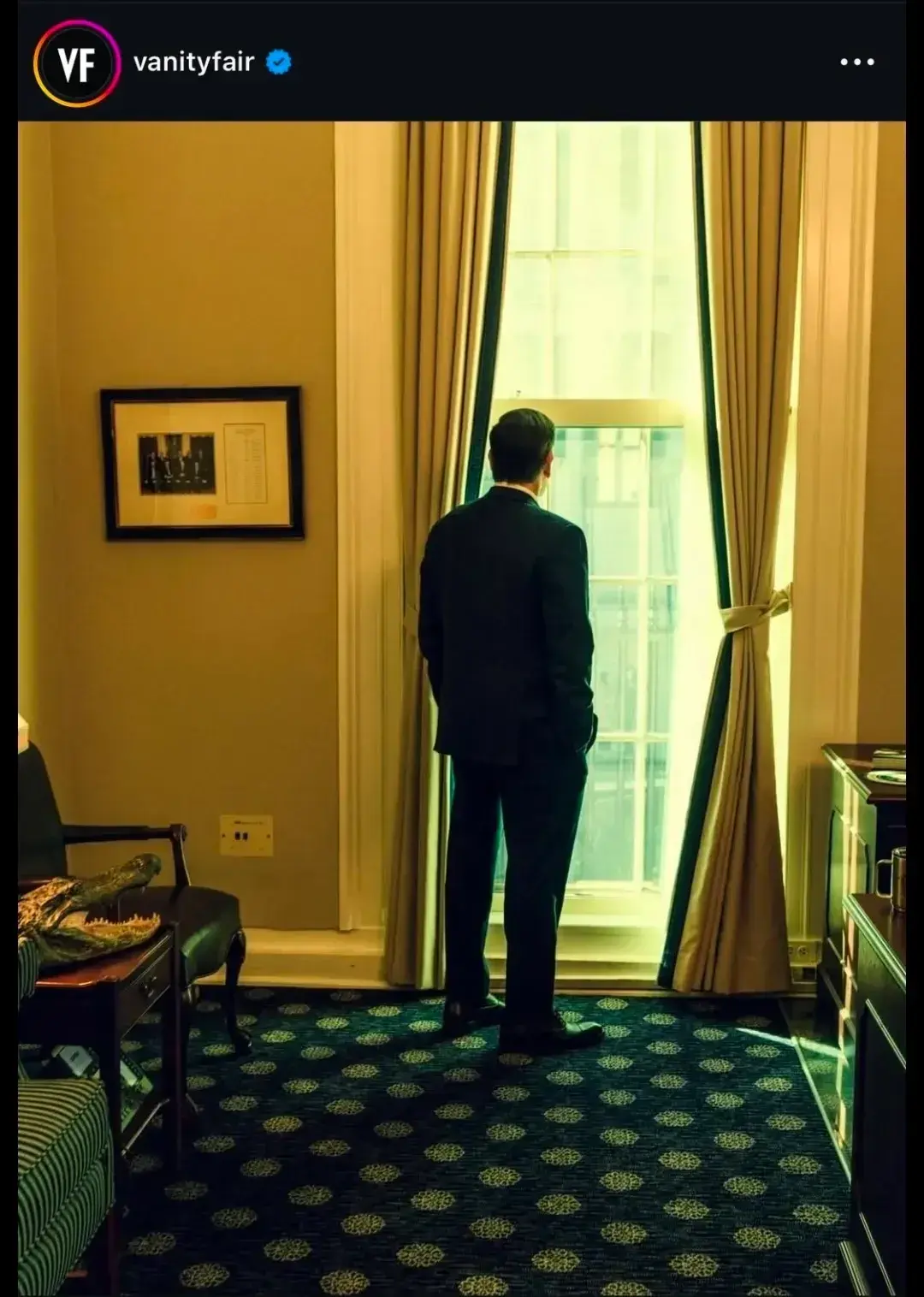
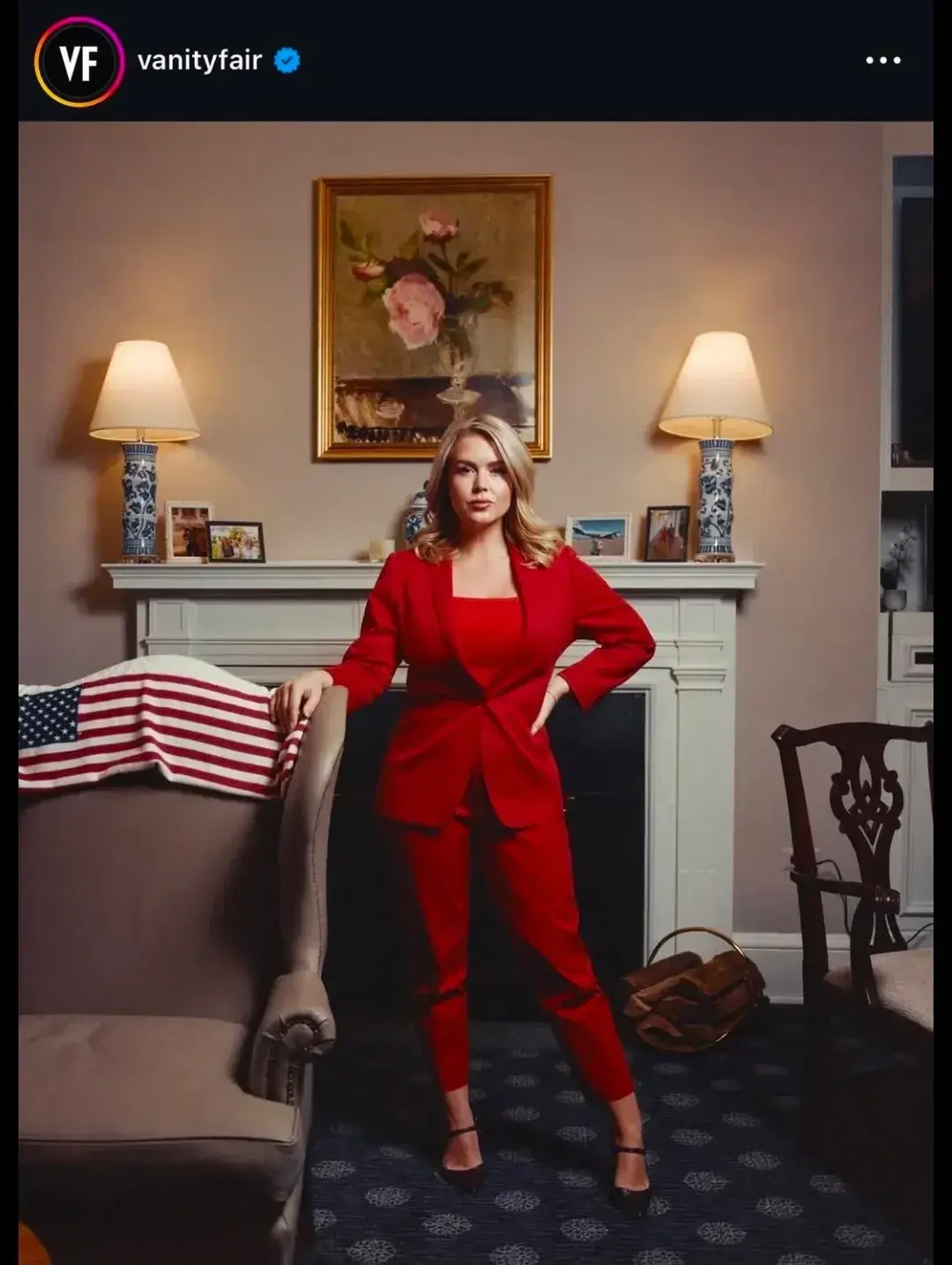
The close-up is not his only instrument. Anderson also works with the surrounding space:
- the subjects appear as “small people” in oversized rooms; Susie Wiles sinks into the space like a child in someone else’s suit
- Marco Rubio looks as if he has been “put in the corner”
- next to J. D. Vance there’s an ordinary light switch — a ridiculous detail that kills any grandeur
- a printed spread where Vance’s head falls across the page gutter becomes a two-headed silhouette — a viral “accidental masterpiece”
Anderson pushes historical comparison even further.
Leavitt is shot against a portrait of Lincoln — and the contrast works without a single line. Near the images of Teddy Roosevelt, contemporary politicians appear as faint copies of former greatness.

Zheludkov Andrii
CEO at Photo.Travel. In case of urgent questions or cooperation, please, drop me a line on andrzej@photo.travel. I speak English, Ukrainian, Russian.
Comments