Quick navigation
- Stories
- Events
-
Magazine
- History
- Person
- My experience
- Inspiration
- Controversies & Ethics
- Cultural perspectives
- Legal & Business
- Behind the scenes
-
Guide
- Travel Guide
- Questions & Answers
- Shop
- Forums
- Forums
-
Blogs
- All Blogs
- Create Blog
- Users
- Login


English Русский Українська
The Incredible Stories Pulitzer Prize-Winning Photos
Articles/Photo history
Table of content
1. Daylight Execution at Saigon - Pulitzer Prize in 19692. Rescue on Pit River Bridge - Pulitzer Prize in 1954
3. Jack Ruby Shoots Lee Harvey Oswald - Pulitzer Prize in 1964
4. Tokyo Stabbing - Pulitzer Prize in 1961
5. The Kiss of Life - Pulitzer Prize in 1968
6. Tragedy by the Sea - Pulitzer Prize in 1955
7. Leap of Faith From a Blazing Hotel - Pulitzer Prize in 1947
8. Faith and Confidence - Pulitzer Prize in 1958
9. Last Rites of Jose Rodriquez - Pulitzer Prize in 1960
10. Homecoming - Pulitzer Prize in 1944
- October 18, 2024 at 8:55 AM
-
15.3K
Daylight Execution at Saigon - Pulitzer Prize in 1969
In February 1968, Associated Press photographer Eddie Adams captured a moment during the Vietnam War when South Vietnamese police commander Nguyen Ngoc Loan executed Nguyen Van Lem, a commander of a revenge squad.
I thought he was going to threaten or terrorise the guy, so I just naturally raised my camera and took the picture
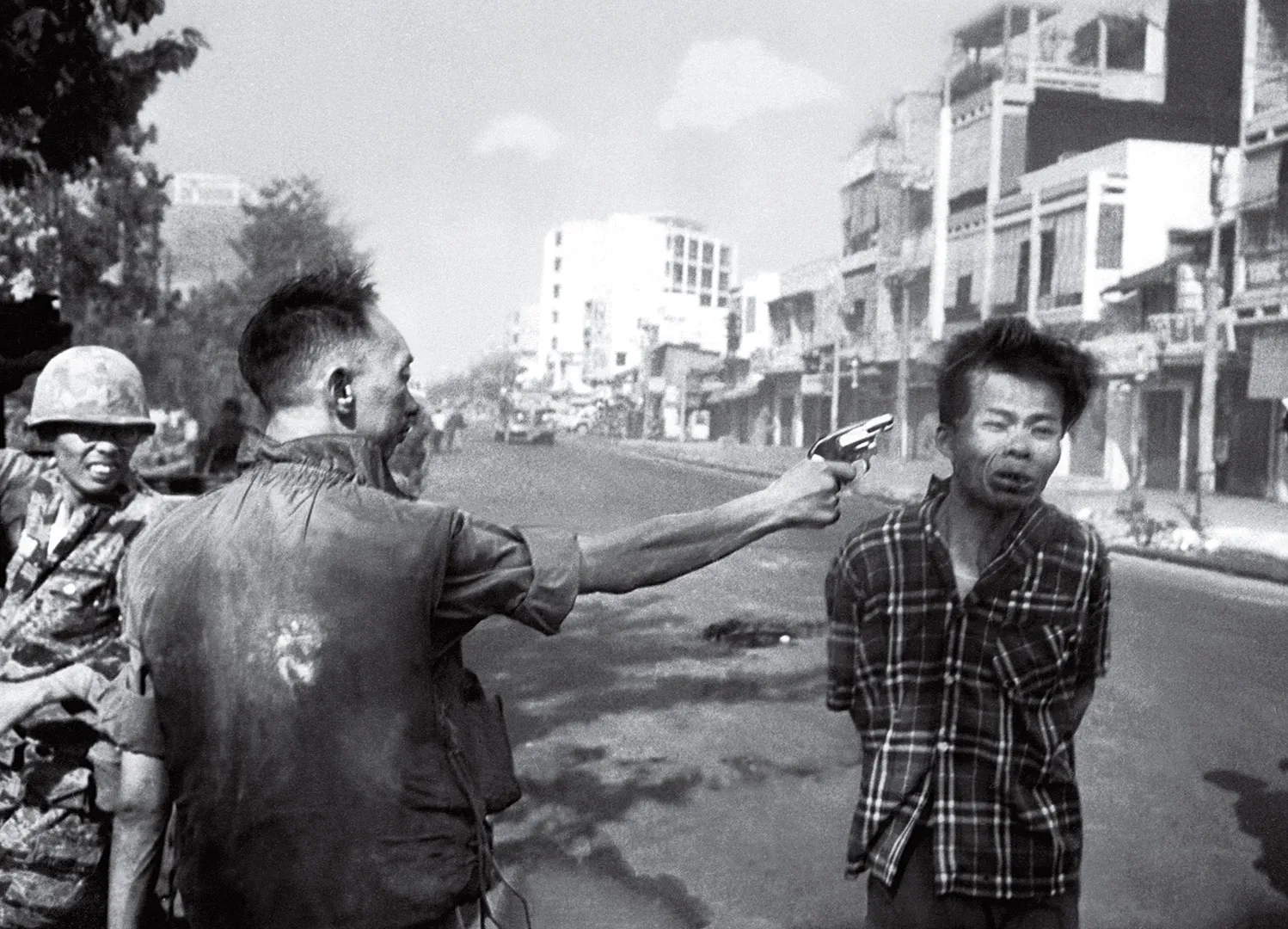
The man on the right in the photo, the dead man, is not a civilian. His name was Nguyễn Văn Lém, a Viet Cong officer also known as Bảy Lốp. He was in charge of a death squad that was tasked to attack Vietnamese officers and their families. Shortly before his arrest, he had slaughtered Lieutenant Colonel Nguyen Tuan, his wife, his six children, and his 80-year-old mother. When the media reported this story, part of the American public became convinced that — after all — the man in uniform hadn’t done all that badly to pull the trigger.
The man in uniform is no ordinary soldier, either. He is Nguyễn Ngọc Loan, a general in the South Vietnamese Army and head of the National Police. In her book Nothing, and so be it, Italian war reporter and writer Oriana Fallaci described him as the ugliest man she had ever seen, a lover of roses and piano player. During the war, he violated the Geneva Convention several times but was never prosecuted. By contrast, President Jimmy Carter personally intervened in his defense, and the letter of a reader to the New York Times, in 1978, summarizes well the thought of part of the American public opinion at the end of the war. Loan, the reader argued, had acted under the protection of martial law, so he had every right to do what he had done.
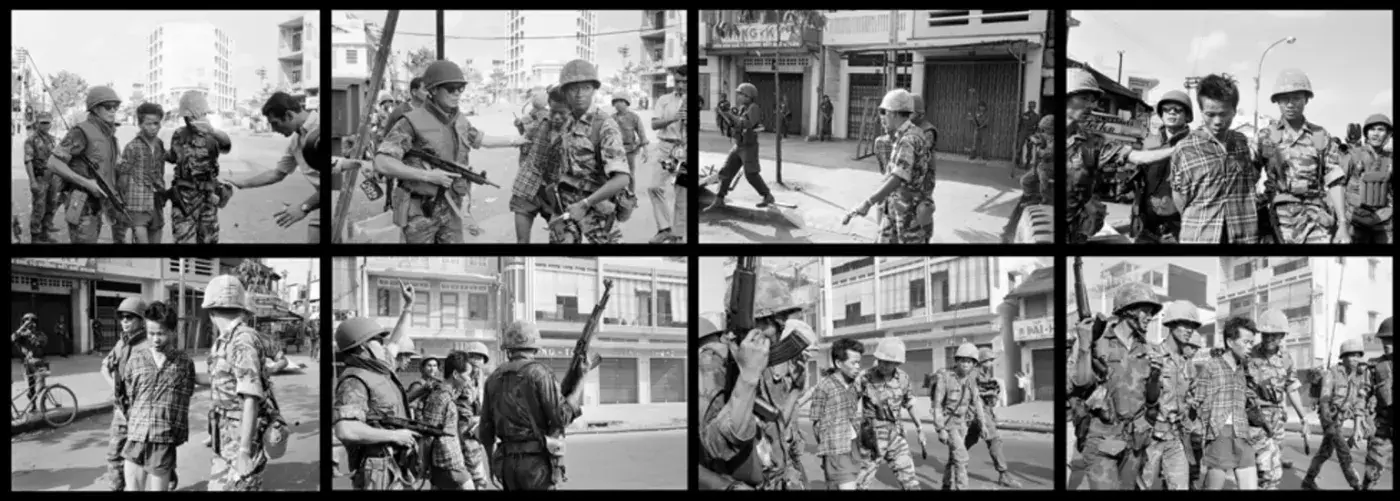
The picture is part of a sequence that the Associated Press photographer Eddie Adams took in Saigon during the Tet Offensive, on February 1, 1968.
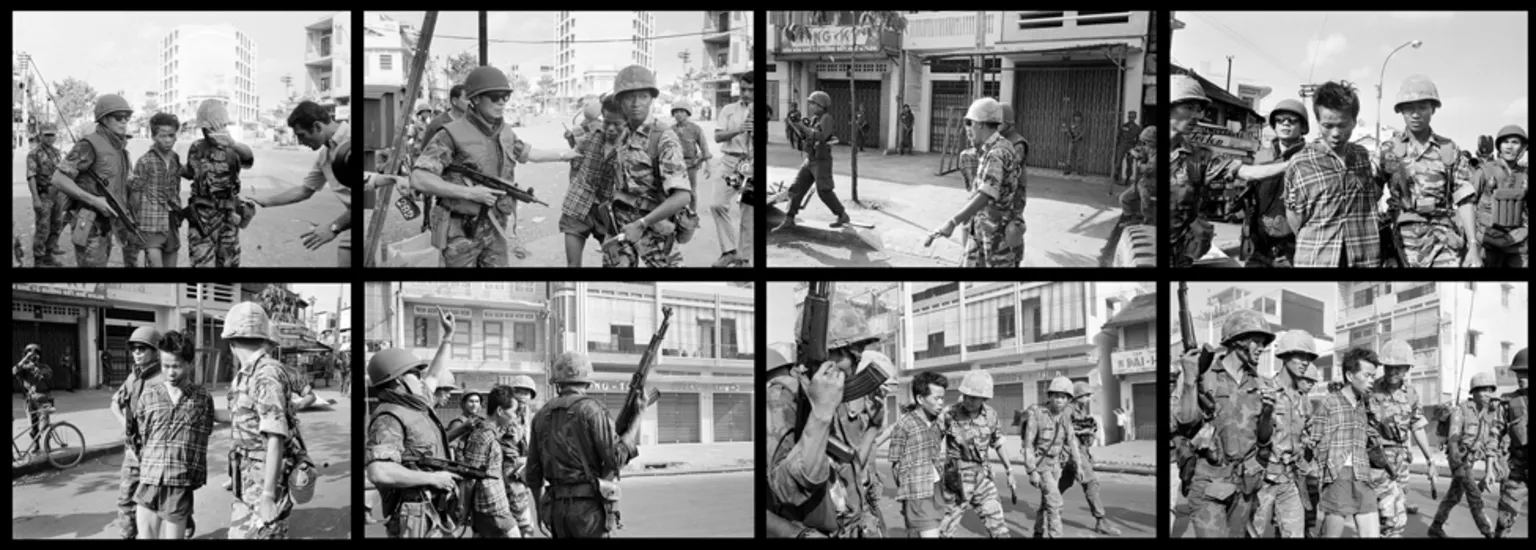
Lem had been involved in killing unarmed civilians earlier that day. Although Adams won the Pulitzer Prize for the photograph, he later expressed regret for taking it, as it became a lasting symbol of the war’s brutality.
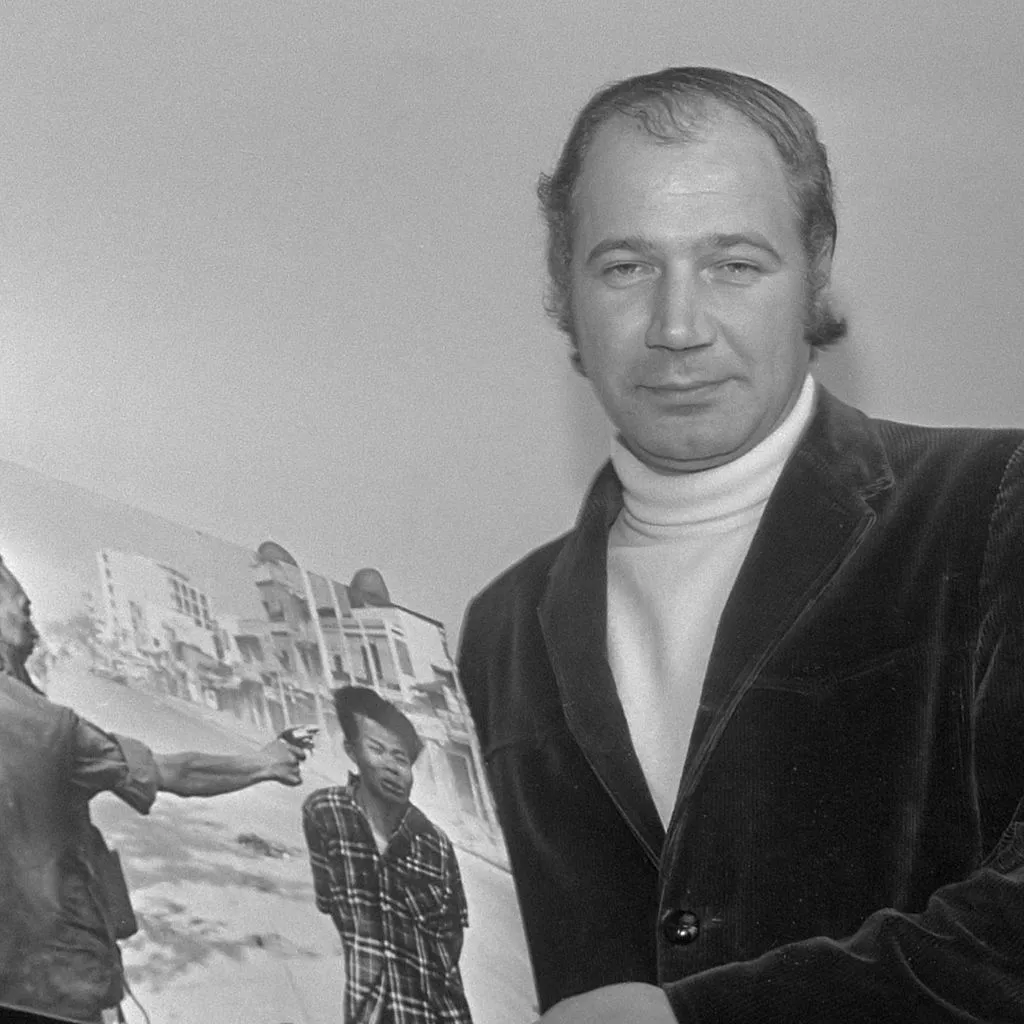
Eddie Adams, years later declared that the image depicts the death of two people: the executed Viet Cong and General Loan, a man admired by his people and troops. Sure, he had made a mistake, but what would another officer do if an enemy without a uniform killed his soldiers one by one?
General Loan spent the last years of his life in Burke, Virginia, near Washington, where he had opened a pizzeria with his wife. But not everyone had forgotten. Someone wrote in the bathroom of his diner, “We know who you are, asshole.”

Zheludkov Andrii
CEO at Photo.Travel. In case of urgent questions or cooperation, please, drop me a line on andrzej@photo.travel. I speak English, Ukrainian, Russian.
Comments